Wavelength Game Review – Is It Worth Playing?
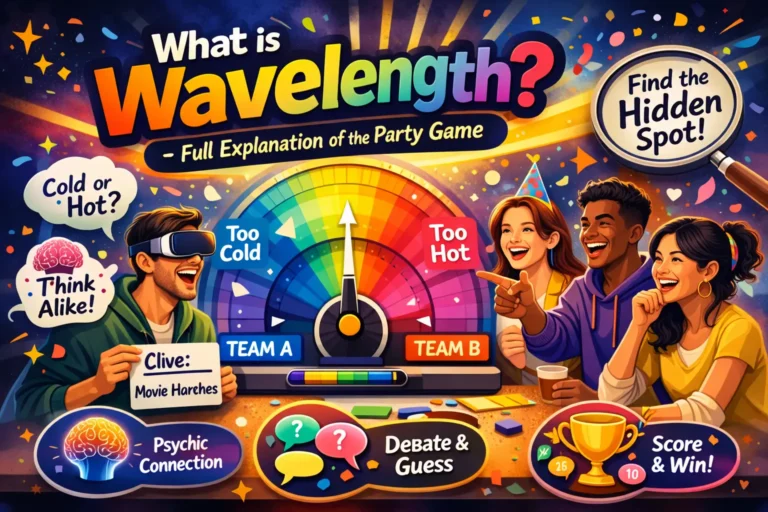
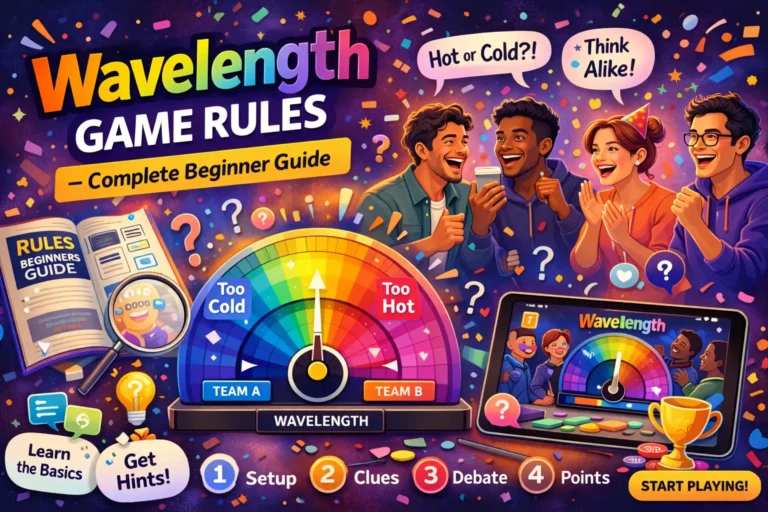
Wavelength Game Review is a social party game that combines communication, strategy, and intuitive thinking to create a highly engaging group experience. Players work together to interpret clues and guess hidden positions on a spectrum, which makes each round exciting and unpredictable.
This review evaluates the game’s gameplay, components, replayability, and overall value to help you decide whether it’s worth adding to your collection. Whether you’re a casual game night host or a board game enthusiast, this guide covers everything you need to know.
Gameplay Experience
Core Mechanics
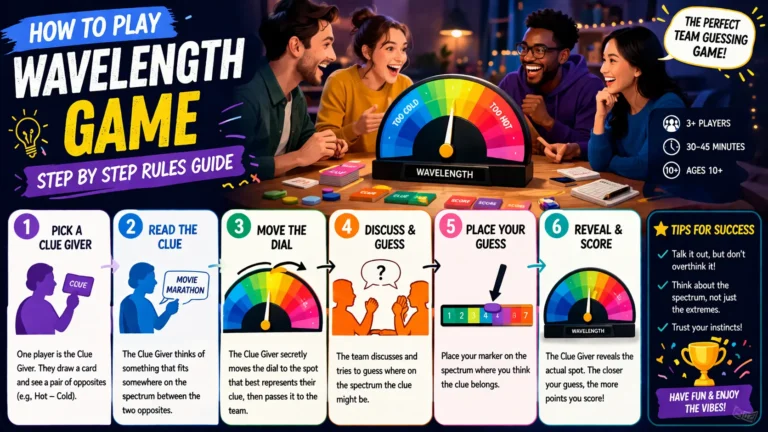
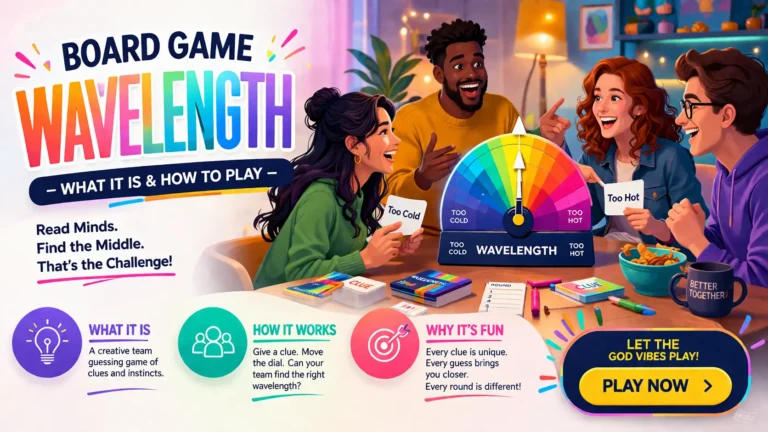
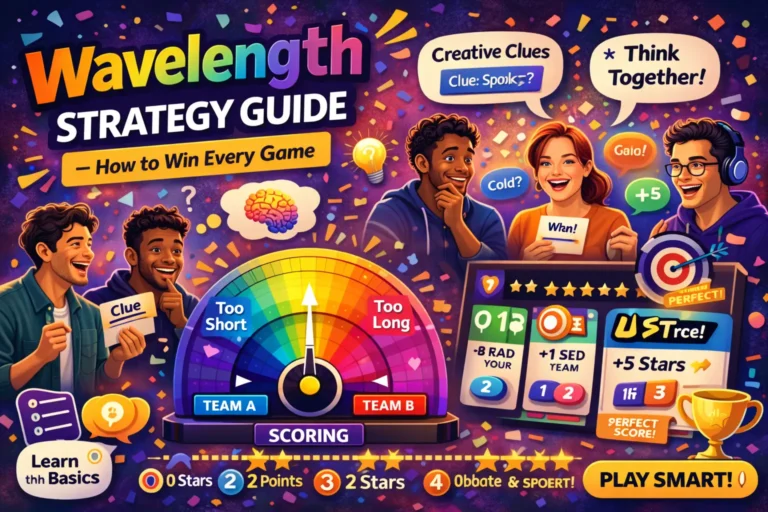
At its core, Wavelength challenges players to think creatively and collaboratively under pressure. Each round, a player gives a clue designed to guide teammates toward a hidden target along a spectrum. The team then discusses and places a marker where they believe the target lies. Success relies on interpretation, team communication, and intuition. This balance between strategy and collaboration creates memorable and often hilarious moments during play.
Social Interaction
One of Wavelength’s strongest features is its social element, which encourages lively discussion and shared laughter. Players must communicate without revealing exact answers, fostering teamwork and creative problem-solving. This social dynamic makes it perfect for parties, family gatherings, or casual game nights with friends. The enjoyable banter that arises from different interpretations adds richness to the experience.
Difficulty and Accessibility
Wavelength is accessible to beginners, thanks to simple core rules that can be learned within minutes. However, the game also offers depth for experienced players through creative spectrums and challenging clue interpretation. Difficulty adjusts naturally based on the group’s dynamic and experience level. This adaptability ensures that both casual and hardcore gamers find the experience rewarding.
Online vs In-Person Play
While the physical board game delivers tactile enjoyment with cards and components, the online version offers convenience for remote groups. Both versions preserve the core mechanics and social engagement, though the online play relies more on voice or chat communication. Choosing between the two depends on your group’s setting and preferences. Each format has its strengths, but both deliver highly entertaining gameplay.
Replay Value
Replayability is a major strength of Wavelength, as each spectrum and clue combination creates a brand-new challenge. With countless possible configurations, no two games feel the same. Themes and custom spectrums add further variety, keeping gameplay fresh even after many sessions. This high replay value contributes significantly to the game’s lasting appeal.
Components and Design
Board and Pieces
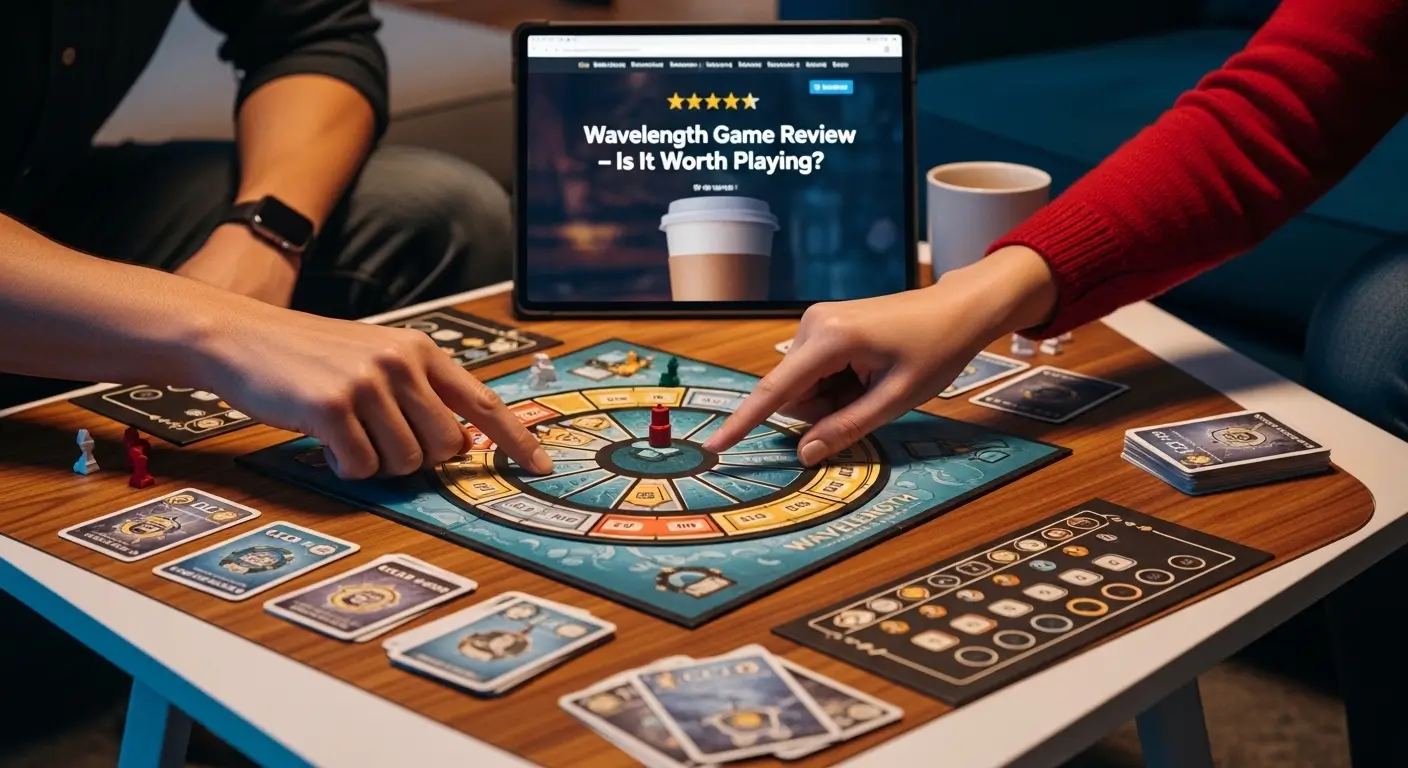
The physical board and pieces are thoughtfully designed, with a sliding spectrum dial that conceals the target effectively. Cards are sturdy, and markers are easy to manage during play. This solid physical design enhances the tactile pleasure of in-person gameplay. Quality components contribute to a premium feel without unnecessary complexity.
Clue Cards and Themes
Clue cards offer a rich set of word pairs and creative prompts that keep the game engaging. The variety of spectrums — from simple and literal to abstract and humorous — encourages players to think outside the box. Well-written cards allow for both straightforward and inventive clueing. The thematic variety ensures lasting appeal.
Packaging and Presentation
Wavelength’s packaging is clean, attractive, and easy to set up, making the first play straightforward for new players. Instructions are clear and accessible, with examples that help players learn quickly. The presentation reflects thoughtful design that prioritizes user experience. Overall, the physical product feels cohesive and inviting.
Online Interface
The digital version of Wavelength features a user-friendly interface that simplifies gameplay logistics. Online scorekeeping, timers, and clue reveal functions streamline rounds and reduce manual tracking. This makes hosting and managing games effortless, especially for remote gatherings. The digital format keeps the core experience intact while adding convenience.
Expansion and Community Content
Wavelength benefits from community creativity, including custom spectrums and themed card sets. Players can design their own prompts to tailor the game to specific events or group interests. This player-generated content expands gameplay options without affecting balance. The community aspect enhances longevity and personalization.
Fun Factor
Group Engagement
Wavelength excels at keeping all participants engaged throughout the game. Even players not giving clues stay involved in discussion and decision-making. This collective involvement increases enjoyment and makes each round feel meaningful. Groups of all sizes experience consistent interaction.
Humor and Surprises
Unexpected interpretations and wildly creative clues often lead to laughter and surprise. These moments create memorable experiences that players look forward to repeating. Humor arises organically from the social dynamic and interpretation challenges. This aspect makes Wavelength especially enjoyable for casual gatherings.
Strategic Thinking
While Wavelength is social at heart, it still rewards strategic thought and careful clue crafting. Players must strike a balance between clarity and ambiguity, which introduces a layer of mental challenge. This strategic element adds depth without overwhelming new players. Over time, teams develop tactics that improve performance and satisfaction.
Emotional Rewards
Success in Wavelength brings a genuine sense of team accomplishment that players remember long after the game ends. Even incorrect guesses lead to entertaining discussions and shared laughter. This emotional payoff reinforces the game’s replay value. The mix of challenge and fun makes it emotionally rewarding.
Group Suitability
Wavelength is versatile across group types and sizes but truly shines in social settings where communication is lively. Friends, families, and team players will find value in its collaborative nature. It adapts well to casual or competitive play styles. This versatility makes it a strong choice for a wide audience.
Pros and Cons
Strengths
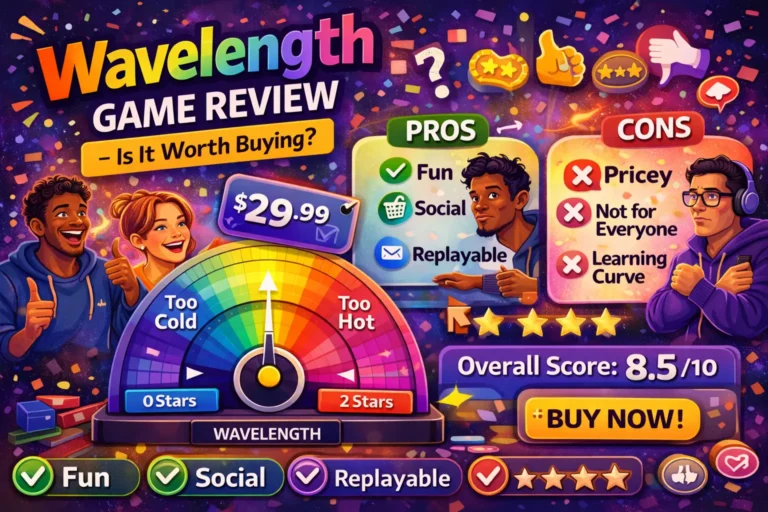
Wavelength’s greatest strengths lie in its social interaction, creative challenge, and high replay value. The core mechanics are simple yet engaging, making it accessible to many players. Strong component quality enhances the physical experience, and the online version adds convenience. Players often praise its balance of strategy and fun.
Weaknesses
Some players may find the abstract clue interpretation difficult at first, particularly in mixed-skill groups. Competitive players expecting deep tactical depth may find it lighter than strategy-heavy games. Learning nuance comes with time and play. However, these limitations rarely diminish overall enjoyment.
Who It’s Best For
The game is ideal for casual gamers, party hosts, and groups seeking social interaction rather than heavy competition. It suits mixed-age gatherings, family events, and online hangouts. Players who enjoy collaborative and communicative challenges will find Wavelength especially rewarding. It may be less appealing to those seeking hardcore strategy.
Comparison to Similar Games
Compared to other party games, Wavelength stands out for its blending of communication and intuition without relying on quick reflexes or trivia. It feels more substantive than many light party games and more social than strictly strategic ones. This unique position gives it broad appeal.
Value for Money
Given its replayability, component quality, and social engagement, Wavelength offers strong value for its price point. Both physical and digital versions deliver hours of entertainment. Expansion content and custom spectrums increase lasting value. Owners often find it worth playing repeatedly.
Variations and Modes
Custom Spectrums
Players can create custom spectrums to tailor gameplay to specific themes. This allows for creative freedom and personalized play experiences. Custom challenges add freshness to repeated sessions. They also enable themed game nights for seasonal or personal occasions.
Party Mode
In party mode, larger groups can participate with rotating roles for maximum involvement. Timed rounds and quick turns maintain energy and participation. This variation works well at social events and gatherings. Party mode enhances the game’s fun and pacing.
Solo Practice
The solo mode allows players to refine their clue-giving and guessing skills alone. It’s useful for understanding mechanics before group play. Solo practice builds confidence and improves future performance. This mode also tracks personal progress over time.
Online Tournaments
Online tournament formats allow competitive groups to engage in structured play. Teams face off in organized brackets or point challenges. This variation adds challenge under pressure. It’s great for committed groups or gaming communities.
Themed Challenges
Themed challenges focus on specific categories like movies, history, or pop culture. Clues and spectrums are adapted to match the theme effectively. These rounds keep gameplay fresh and entertaining. Themified play is ideal for special events.
Common Mistakes to Avoid
Overcomplicating Clues
Clues that are overly complex often confuse teammates and reduce scoring potential. Keeping hints clear, concise, and interpretable improves guesses. Complicated clues slow down gameplay and frustrate players. Simplicity combined with creativity enhances enjoyment.
Poor Communication
Failing to discuss thoughts and interpretations openly reduces team performance. Teams should encourage input from every player to increase accuracy. Communication is at the heart of success in Wavelength. Clear dialogue makes the experience more fun and effective.
Ignoring the Spectrum
Misreading spectrum ends or misunderstandings about the range reduces scoring chances. Teams must clarify both extremes before guessing. Visual cues and teamwork help interpret the spectrum accurately. Proper spectrum understanding improves results.
Rushing Decisions
Quick guesses without discussion often miss the target and earn fewer points. Taking time to align thoughts leads to better placements. Patience allows deeper reasoning and increases scoring potential. Thoughtful decision-making enhances the group’s performance.
Focusing Only on Competition
Focusing too much on winning can reduce enjoyment, especially in casual groups. Balancing competitive play with fun ensures everyone stays engaged. The social experience often outweighs the final result. Humor and interaction are valuable beyond score.
FAQs
What type of game is Wavelength?
It’s a party game where teams interpret clues to guess positions on a hidden spectrum.
How many players does it support?
Wavelength works best with 4 to 12 players for social engagement.
Do I need gaming experience?
No, beginners can learn the rules quickly and start playing right away.
Is there an online version?
Yes, digital platforms allow remote multiplayer gameplay.
Can I customize gameplay?
Yes, players can create custom spectrums and themes to vary play.
Conclusion
Wavelength offers a fun and engaging mix of social interaction, strategy, and creativity for players of all kinds. Its blend of intuitive guessing and team communication makes it ideal for casual parties and game nights. With high replay value and adaptable play modes, it provides strong entertainment value. For groups seeking laughter and collaborative fun, Wavelength is definitely worth playing.